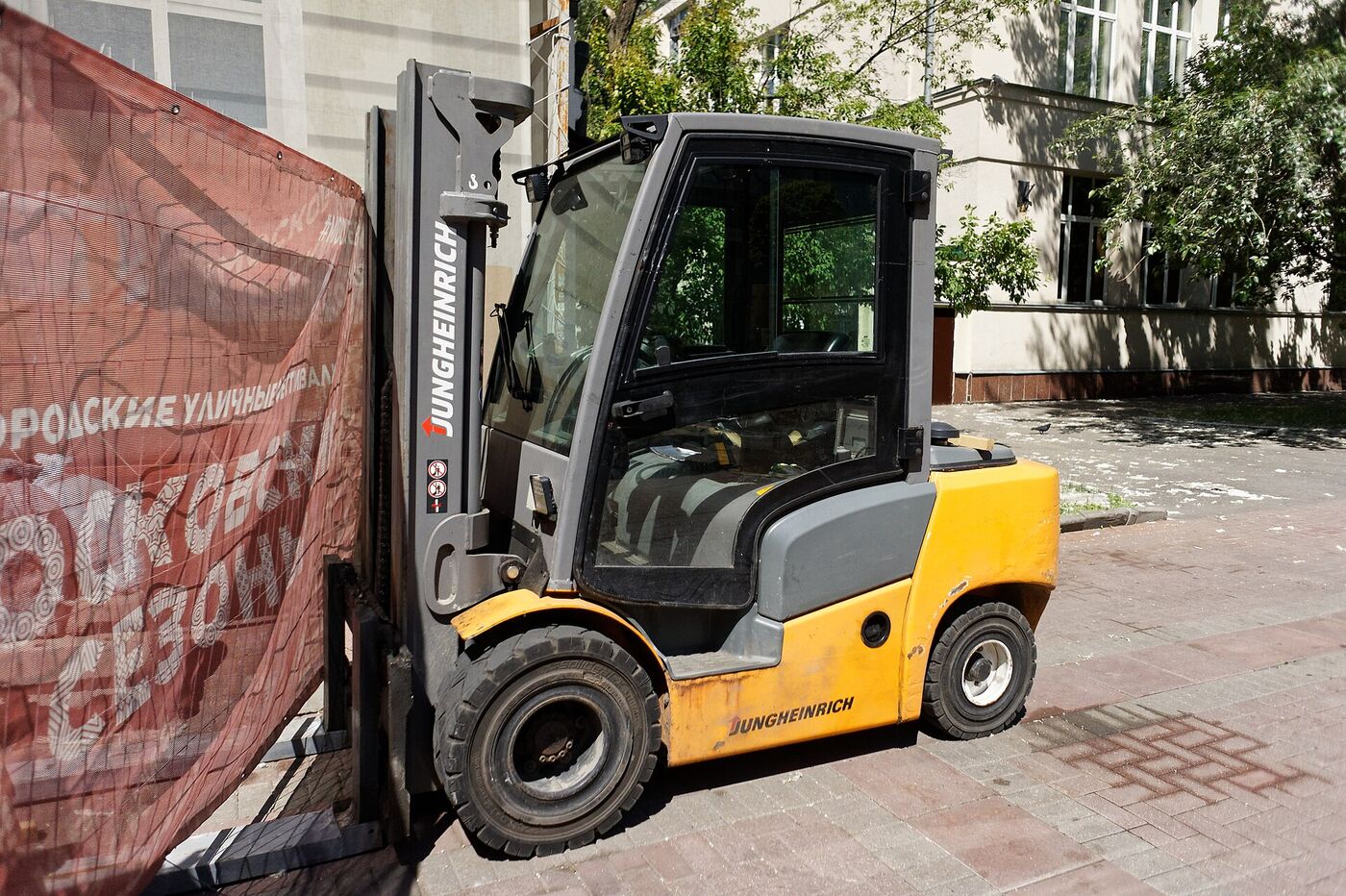
Each power source brings its own hazards. Hydrogen and acid from lead-acid batteries, carbon monoxide and gas leaks from LPG, exhaust and fuel from diesel. What to put in place for each.
Choosing the right power type
The choice is usually driven by where the truck works. Electric trucks dominate indoors because they produce no exhaust. LPG suits mixed indoor and outdoor use where refuelling needs to be quick. Diesel is for yards, construction and rough terrain where power and range matter and ventilation is not an issue. Each brings a different set of hazards that the site has to manage.
Electric trucks with lead-acid batteries
The truck itself is the safest of the three to operate. The hazards are in the charging area.
- Hydrogen. Charging produces hydrogen gas, which is explosive at concentrations above 4 per cent in air. Charging areas need ventilation designed for the number of batteries on charge, no sources of ignition, and no smoking or hot work nearby.
- Sulphuric acid. Topping up and handling batteries risks acid burns. Provide eye protection, gloves, aprons, and an eyewash station within reach of the charging area.
- Weight. A traction battery can weigh over a tonne. Battery changing needs proper equipment, a level floor and trained staff.
- Electrical. Shorting the terminals with a spanner or a dropped chain produces enough current to weld the tool in place and start a fire. Use insulated tools and keep metal objects away.
Our article on forklift battery safety goes into charging procedures in detail.
Electric trucks with lithium-ion batteries
Lithium-ion removes the hydrogen and acid hazards and allows opportunity charging during breaks. The trade-off is thermal runaway: a damaged or faulty cell can heat itself to the point of fire, and lithium fires are difficult to put out. Keep batteries away from impact, follow the manufacturer's charging equipment requirements exactly, and make sure the site's fire risk assessment covers lithium batteries. See lithium-ion batteries for forklift trucks.
LPG
- Carbon monoxide. LPG engines still produce carbon monoxide, and a poorly tuned engine produces a lot. Trucks used indoors need regular emissions testing and the building needs adequate ventilation. Carbon monoxide poisoning from forklifts in enclosed spaces has killed workers in the UK.
- Gas leaks. LPG is heavier than air and collects in pits, drains and low areas. Cylinders must be changed in the open air or a well-ventilated area, by trained staff, with the engine off and no ignition sources nearby. Check the connection for leaks with soapy water, never a flame.
- Cold burns. Liquid LPG escaping under pressure causes frostbite. Wear gloves and eye protection when changing cylinders.
- Storage. Cylinders are stored outside in a secure, ventilated cage away from drains, ignition sources and building openings, with full and empty cylinders separated.
More on the properties of LPG in our LPG safety article.
Diesel
- Exhaust. Diesel engine exhaust emissions are a recognised carcinogen. Diesel trucks should not be used indoors except in well-ventilated buildings, and never in confined spaces. Where indoor use is unavoidable, consider exhaust filters and monitor air quality.
- Fuel. Refuelling with the engine off, away from ignition sources, with spill kits available. Diesel on a floor is a slip hazard for pedestrians and reduces tyre grip.
- Noise and heat. Diesel trucks are louder, which matters for pedestrians relying on hearing a truck approach, and their exhausts are hot enough to ignite packaging debris.
Common to all three
Whatever the power source, the truck needs a daily pre-use check, a maintenance schedule, a thorough examination under LOLER at least annually, and operators trained on that specific truck. Refuelling or charging is part of the operator's job, so it is part of their training. If a site runs more than one power type, the differences between them belong in the specific job training for every operator.
Key points
- Electric trucks move the hazard to the charging area: hydrogen, acid and heavy batteries.
- LPG engines produce carbon monoxide indoors and gas leaks collect at low level. Change cylinders outside.
- Diesel exhaust is a carcinogen. Keep diesel trucks out of enclosed buildings.
- Refuelling and charging are part of operator training for every power type.
Sources and further reading
- HSE, Using electric storage batteries safely (INDG139)
- HSE, Safe use of LPG guidance and UKLPG codes of practice
- HSE, Diesel engine exhaust emissions (HSE guidance)