Forklift safety and training guides
Everything an operator, supervisor or employer needs to know, written in plain English and grounded in the HSE guidance that applies in the UK. Start with the complete training guide, then work through the rest.
 Start here · 4 min read
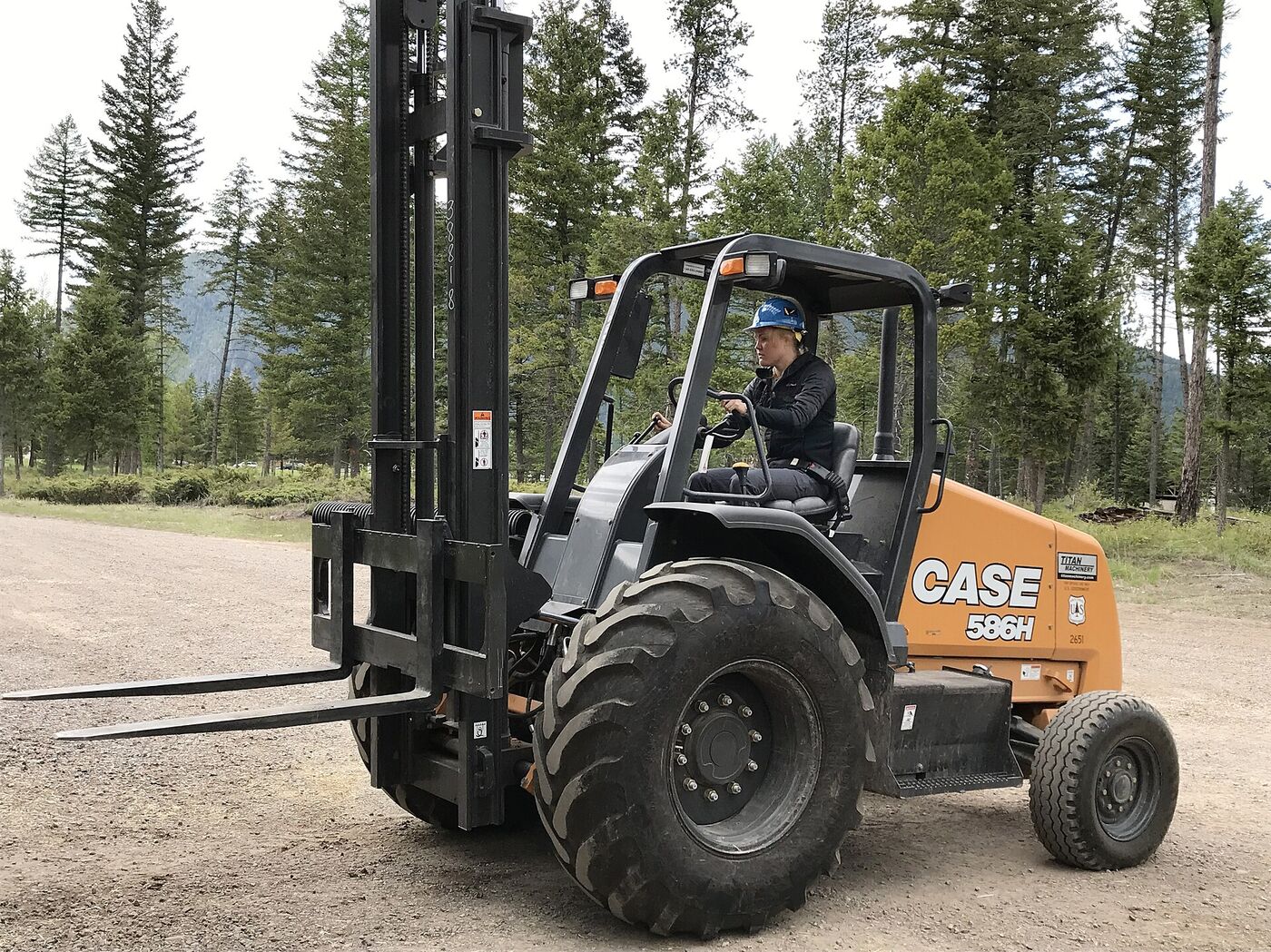
The complete guide to forklift training in the UK
Who needs training, what the law actually says, how a course is structured, what the test involves and how long a certificate lasts. Everything an operator or employer needs before booking.
Read the guideFor operators
 Operators · 3 min read
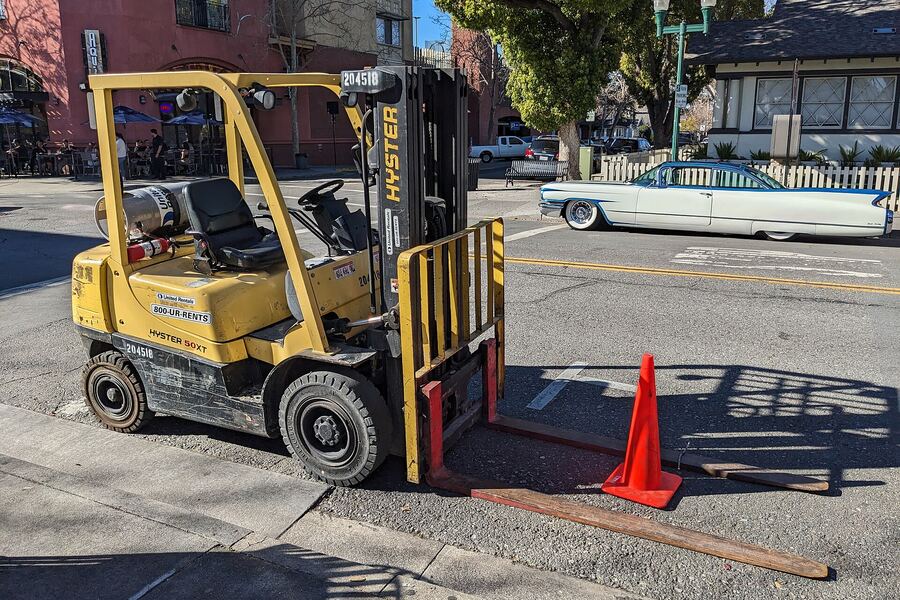
Forklift pre-use inspection: the daily checklist
The walk-around every operator should do at the start of a shift, what to look for at each point, and what to do when something is wrong. Printable checklist included.
Read the guide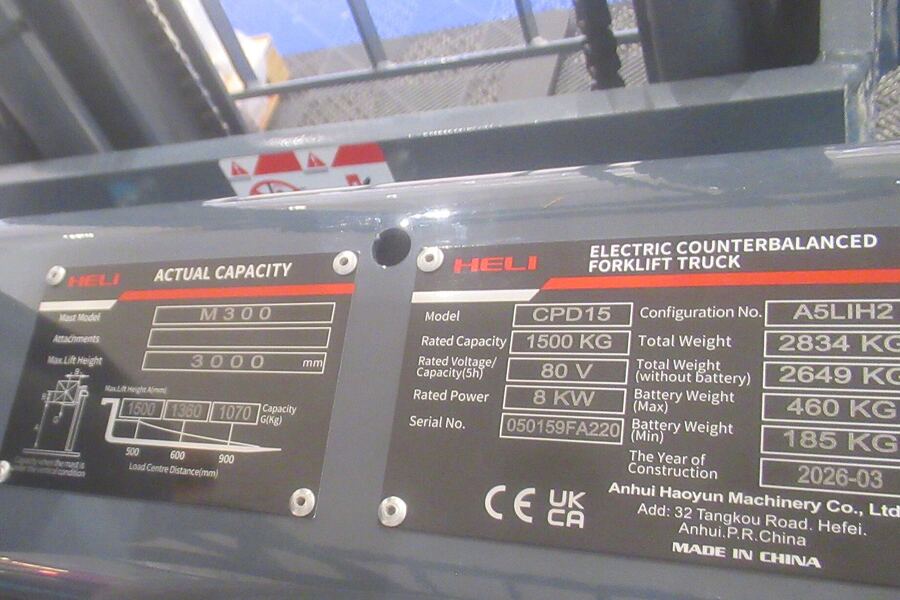 Operators · 4 min read
Forklift stability, load centres and the capacity plate explained
Why forklifts tip over, what the stability triangle is, how the load centre changes what a truck can lift, and how to read the capacity plate before every unusual load.
Read the guide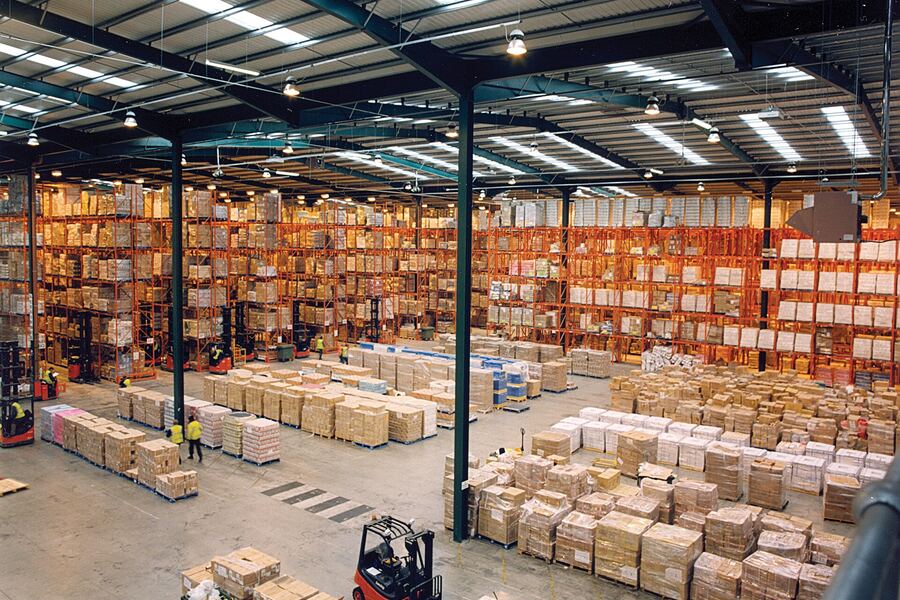 Operators · 3 min read
Working safely with pallet racking: stacking, de-stacking and rack damage
Racking collapses are rare but catastrophic, and almost always caused by forklift impact. How to place and retrieve loads at height, and how to spot damage before it matters.
Read the guide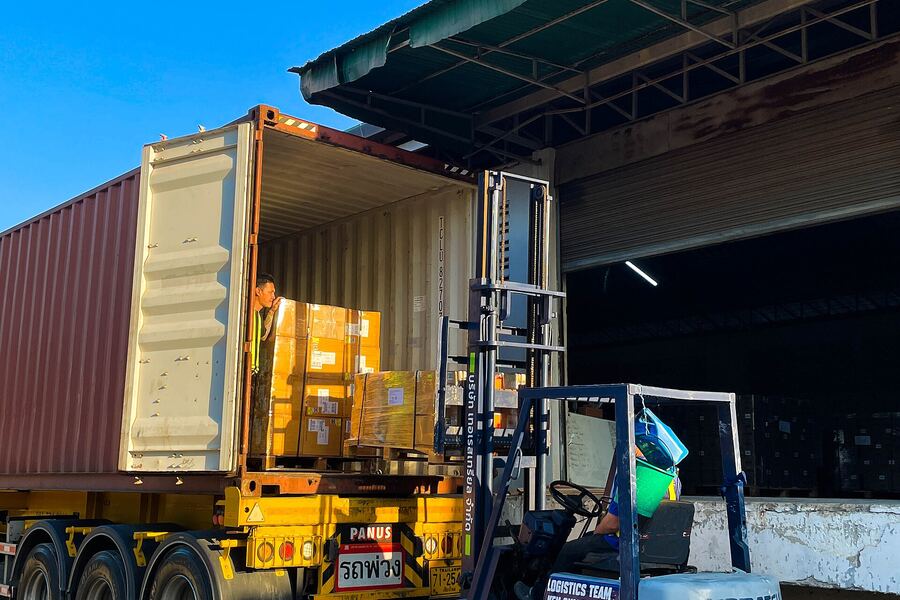 Operators · 3 min read
Loading and unloading lorries and trailers safely
Loading bays are where forklifts, lorry drivers and pedestrians all meet. Vehicle creep, trailer tip, falls from the dock and crushing between truck and trailer are all preventable. Here is how.
Read the guideFor supervisors and managers
 Supervisors · 3 min read
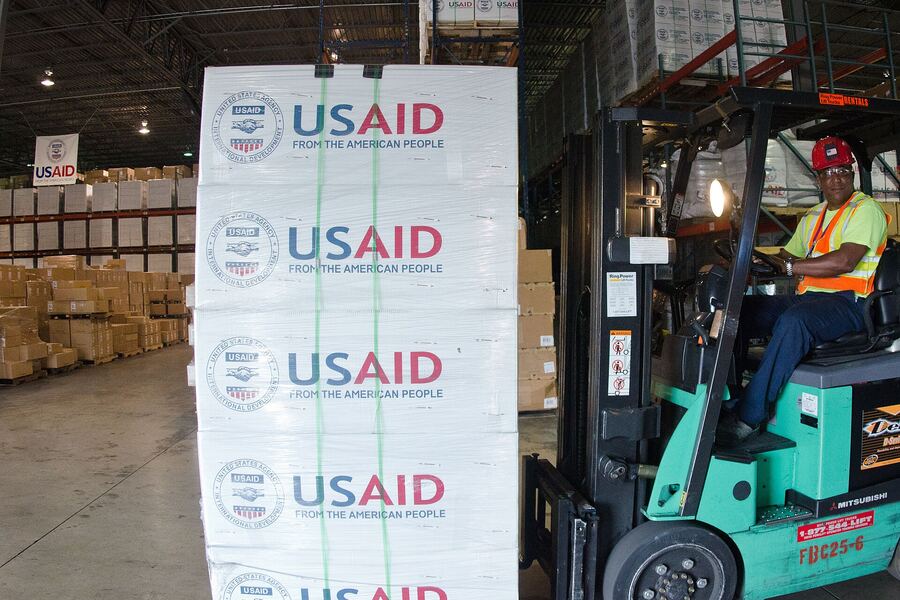
Pedestrian safety around forklifts: segregation, rules and site design
Being struck by a forklift is the most common way people are killed by them, and most of the victims are pedestrians. How to separate people from trucks, and what to do where you cannot.
Read the guide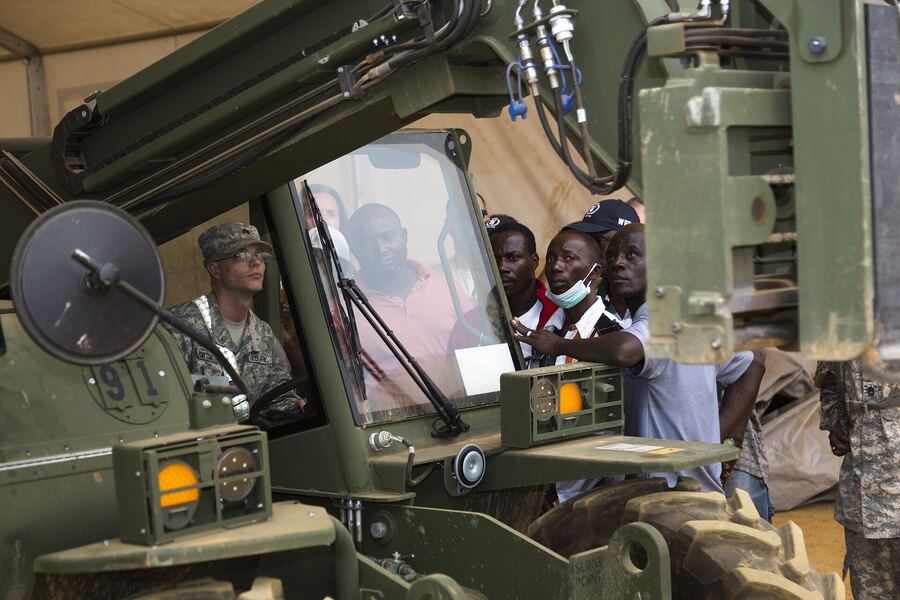 Supervisors · 2 min read
Forklift refresher training: when it is needed and what it covers
The HSE recommends refresher training every three to five years, but the interval is not the point. Here are the triggers that mean an operator needs retraining now, and what a good refresher looks like.
Read the guide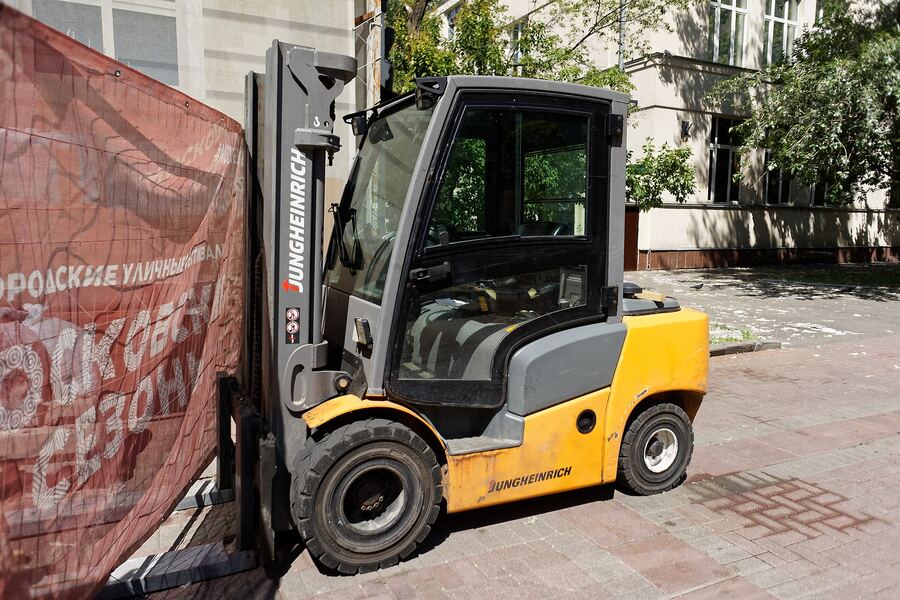 Supervisors · 3 min read
Electric, LPG or diesel: the safety differences between forklift power types
Each power source brings its own hazards. Hydrogen and acid from lead-acid batteries, carbon monoxide and gas leaks from LPG, exhaust and fuel from diesel. What to put in place for each.
Read the guide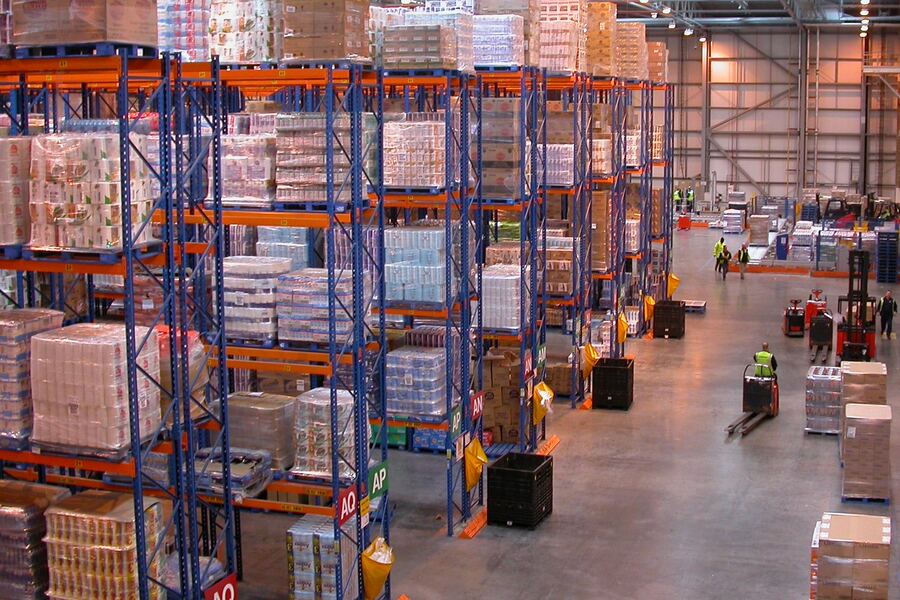 Supervisors · 3 min read
Forklift law for UK employers: PUWER, LOLER, L117 and what you must have in place
The regulations that apply to lift trucks, what each one requires, the records an inspector will ask for and the fines that follow when they are missing.
Read the guide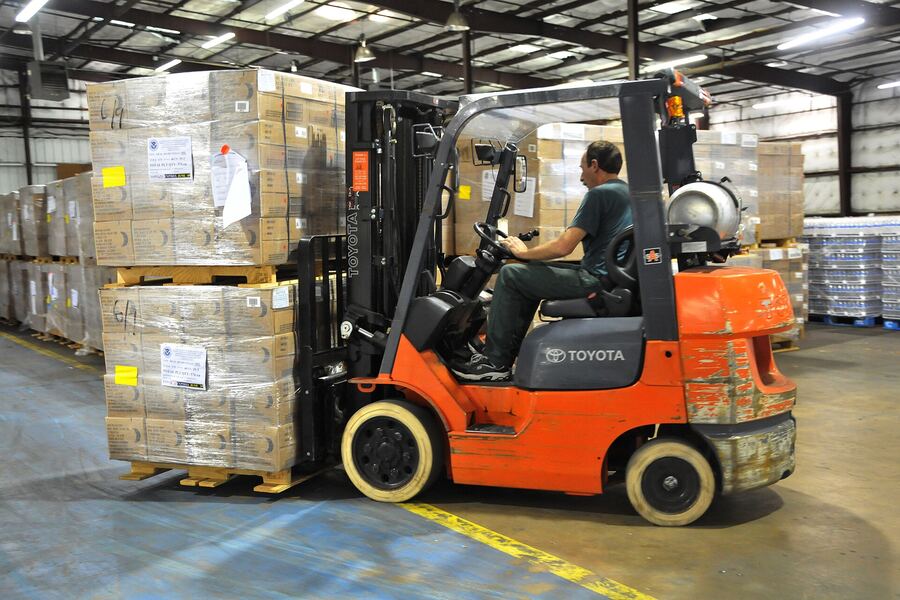 Supervisors · 3 min read
Why forklift accidents happen: the common causes and how to prevent them
Overturns, pedestrians struck, falls from forks, falling loads and crushing against fixed objects. The same handful of causes appear in almost every investigation, and every one has a known fix.
Read the guideBy truck type
 Truck types · 3 min read
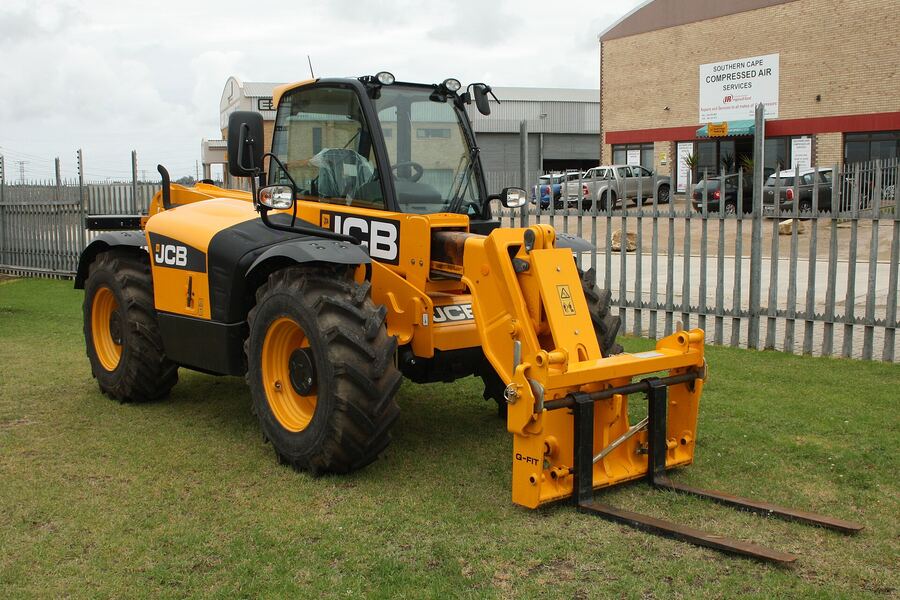
Telehandler safety: the hazards that make telescopic handlers different
A telehandler is a forklift whose load moves away from it. Load charts, boom extension, stabilisers, working near people and lifting with attachments all need more than counterbalance training.
Read the guide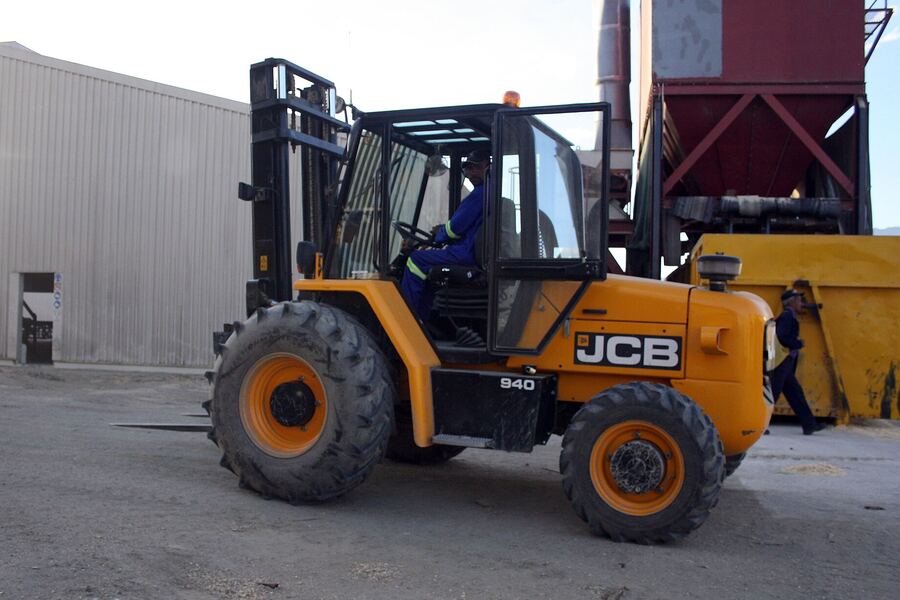 Truck types · 3 min read
Rough terrain and outdoor forklift safety
Slopes, soft ground, weather, poor light and public roads. Working a forklift outside brings hazards a warehouse operator never meets, and a warehouse truck is often the wrong machine for the job.
Read the guide
Truck types · 3 min read
Reach trucks and narrow aisles: working safely at height in the warehouse
Reach trucks place loads ten metres up in aisles barely wider than the truck. Sideways seating, pantograph reach, tall masts and tight clearances make them a different discipline from counterbalance driving.
Read the guide