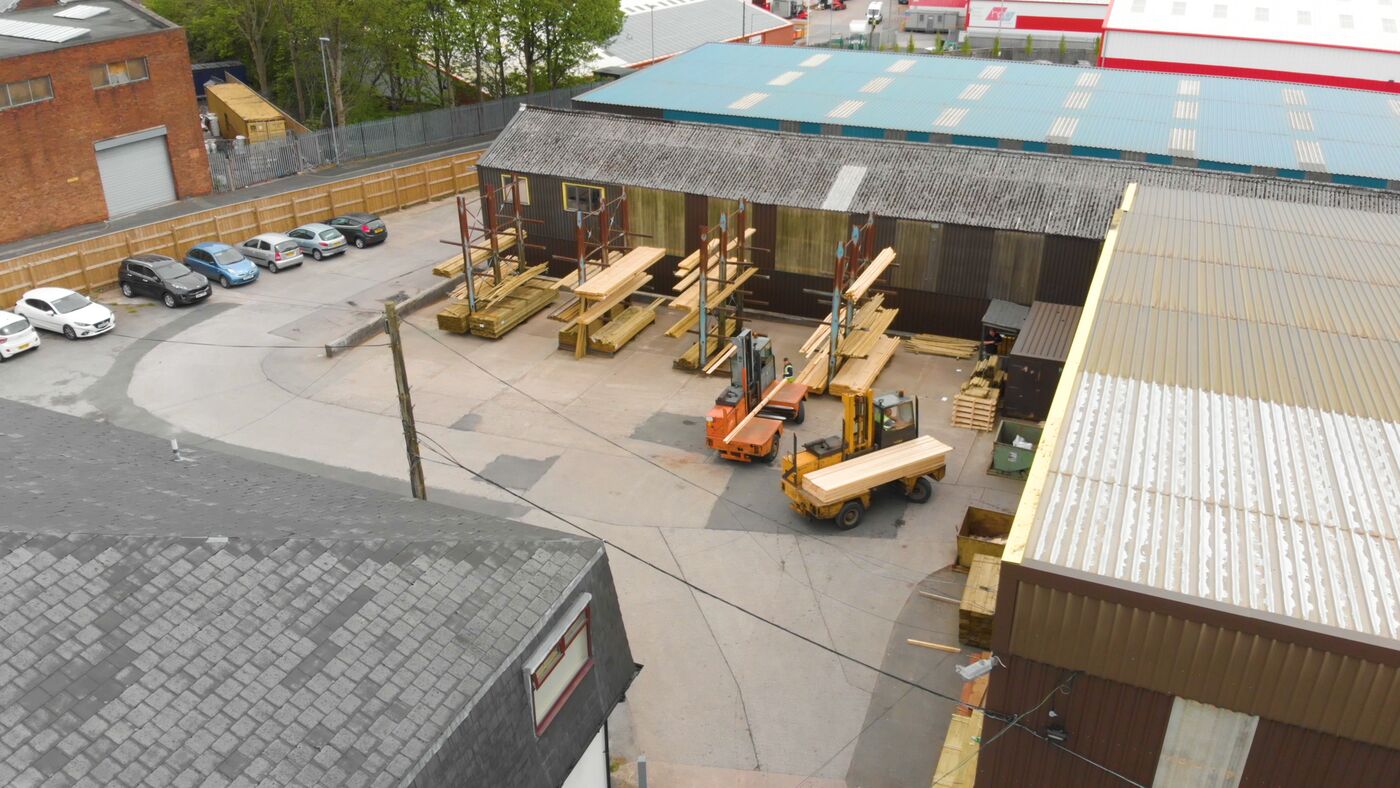

There is no national speed limit for forklifts. The truck's top speed, often 12 to 15 mph for a counterbalance, is set by the manufacturer, and the safe speed in any workplace is set by the employer. Most sites get this roughly right and then fail to enforce it.
Why speed matters more than it seems
Stopping distance rises with the square of speed. A truck doing 10 mph needs about four times the distance to stop as one doing 5 mph. A loaded truck needs more again. And a laden counterbalance truck with a raised load can tip sideways in a turn at speeds as low as 5 mph. The operator in an overturn almost always says the same thing: "I wasn't going fast."
Sensible limits
| Area | Typical limit |
|---|---|
| Open yards with good visibility and no pedestrians | 10 mph |
| Warehouse transfer aisles | 5 mph |
| Racking aisles, loading bays, anywhere near pedestrians | Walking pace (3 mph) |
| Ramps, wet floors, poor visibility | Slower than the posted limit, at the operator's judgement |
Enforcing it
- Post the limits at the entrance to each zone.
- Use the truck's speed limiter. Most modern trucks can be programmed, and some support zone-based limits that slow the truck automatically when it enters a building.
- Watch and act. An operator who is seen speeding and not spoken to has just been told the limit is optional.
- Look at the cause. Operators speed because the schedule demands it. If the throughput target cannot be met at safe speeds, the target is wrong.
See the pedestrian safety guide for how speed fits into wider traffic management.