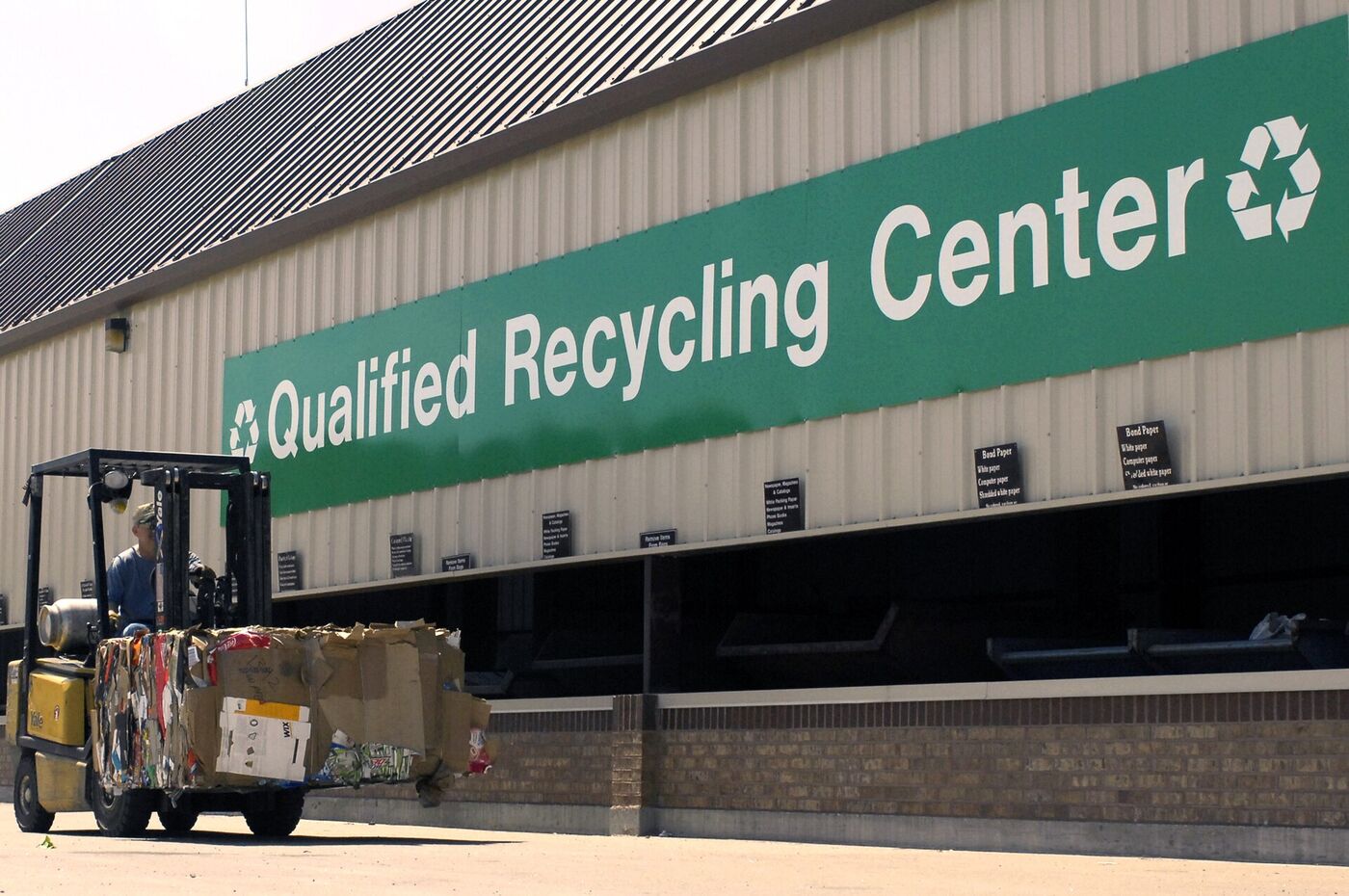
A light needs changing at four metres. A pallet is stuck on the top beam. A sign needs fixing to the wall. The forklift is right there, and so is a pallet. Someone climbs on, the operator lifts them up, the job takes two minutes and everyone gets on with their day. Until the day the pallet slips, the mast jerks, or someone reaches out too far.
Why it goes wrong
- A pallet on forks has nothing to stop a person stepping or falling off the edge.
- The person's hands are close to the moving mast and chains. Fingers are lost this way.
- If the person leans over, the load centre moves and the truck can tip.
- The operator cannot see the person clearly and cannot react if they slip.
- Falls from four metres onto concrete are frequently fatal.
What the law requires
Lifting people with a forklift is only permitted using a purpose-designed, integrated working platform that is secured to the carriage, fitted with guard rails and a gate, and where the truck has the controls and interlocks required for that platform. Even then it is for occasional, short-duration work, not routine access. Using a pallet, a cage that is not designed for the truck, or a bucket on a telehandler is a breach of the Work at Height Regulations and of PUWER, and the HSE prosecutes for it regularly. In one case reported on this site, a photograph of two workers in a telehandler bucket contributed to a £120,000 fine.
Making the shortcut unnecessary
The ban only works if there is an easy alternative. Keep a mobile elevating work platform, a podium step or a properly designed forklift work platform available and ready, and make sure people know where it is. If the job is common, plan for it. Nobody climbs on a pallet if the scissor lift is parked ten metres away with the key in it.